

Surfaces Engineered to Resist Settling
Pavers in Marietta for driveways and patios requiring excavation to undisturbed soil for lasting durability
Georgia soil movement causes paver installations to settle unevenly when base preparation shortcuts excavation depth or skips proper compaction. Labrador Land Alterations installs pavers by excavating to undisturbed soil below the organic layer, selecting base materials that provide drainage and load distribution, and offering polymeric or regular sand options for joint filling based on your maintenance preferences. You need this engineering-focused approach when installing driveways, patios, or walkways that must handle vehicle weight or remain level through years of freeze-thaw cycles and heavy rainfall.
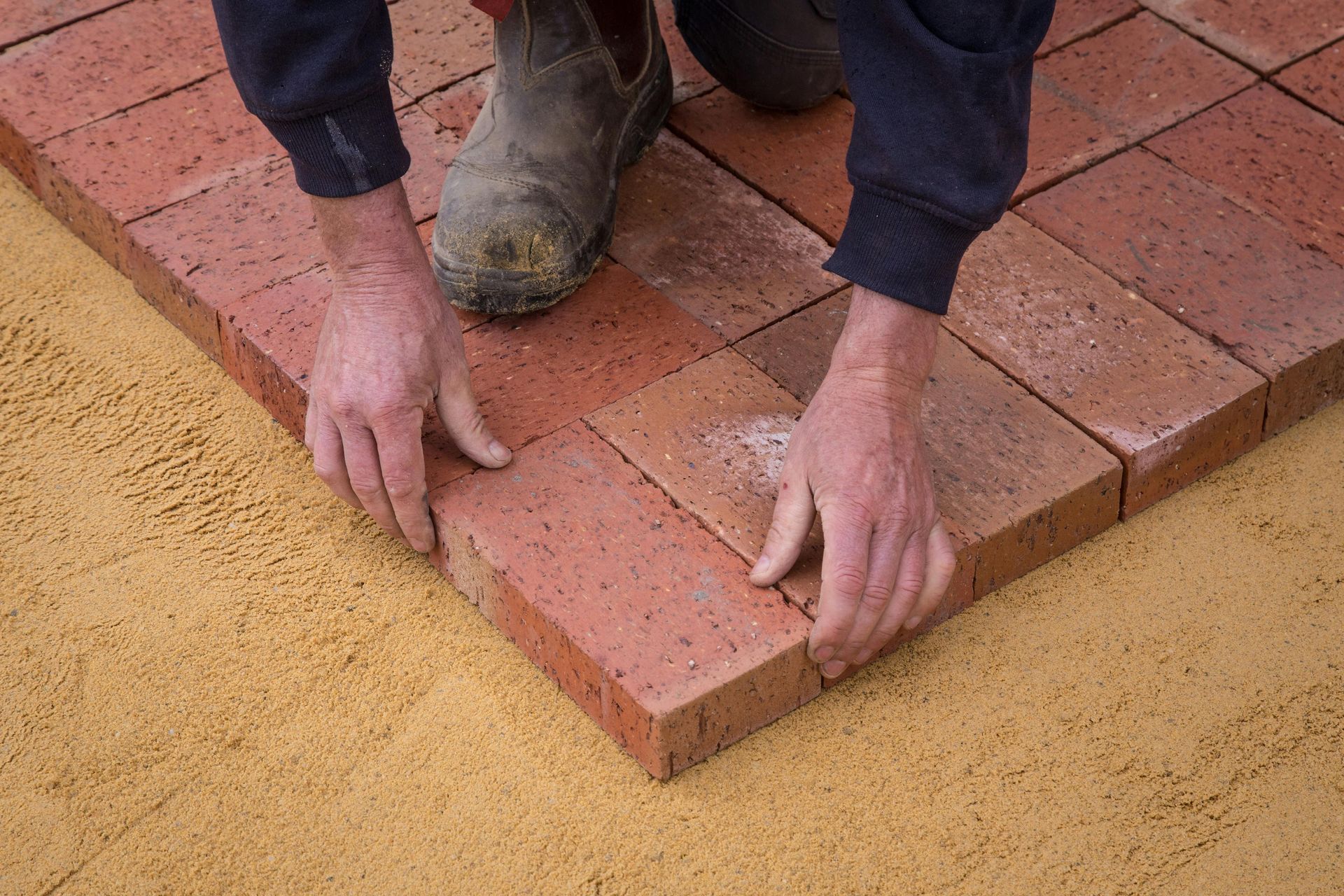
The work begins with removing existing topsoil and any fill material to reach stable subgrade, then building up the base in compacted lifts using crushed stone. Pavers are laid on a sand setting bed, and joints are filled with either polymeric sand that hardens to resist washout or regular sand that allows easier individual paver replacement if needed.
Arrange a site visit to review excavation requirements and material selections for your paver project.
What Proper Base Prevents Long-Term
Paver durability depends entirely on what's beneath the visible surface. Complete excavation to undisturbed soil removes organic material that decomposes and creates voids, and the stone base is installed in lifts with mechanical compaction between layers to prevent future settlement. Georgia clay doesn't drain well, so stone base material creates a path for water to move away from the paver surface rather than pooling beneath and causing frost heave or erosion during storms.
Once the installation is complete, pavers remain level without edges lifting or center sections sinking into depressions. Joints stay filled without sand washing out during heavy rain, and the surface supports vehicle weight without individual pavers rocking or shifting under load. Water drains off the surface and through the base rather than standing in low spots, and the installation handles seasonal soil movement without cracking or separating.
Excavation expertise ensures the base is built correctly from stable subgrade up, and material selection accounts for intended use and site drainage conditions. Polymeric sand joints resist weed growth and ant colonization, while regular sand joints allow easier repairs if individual pavers need replacement years after installation.
Questions Before Starting Your Project
Paver installations involve excavation and base decisions that affect performance for decades, and property owners often want clarity on material options and preparation requirements before work begins.
What depth of excavation is required for paver driveways?
Driveways require excavation to undisturbed soil plus depth for base material and setting bed, typically twelve to sixteen inches total depending on soil conditions and whether the surface will support passenger vehicles or heavier loads.
How does stone base prevent settling?
Stone base is installed in compacted lifts that create uniform load distribution and drainage paths, preventing voids from forming beneath pavers and allowing water to move through rather than pooling and eroding the base.
When should polymeric sand be used instead of regular sand?
Polymeric sand hardens after watering and resists washout, weed growth, and ant colonization, making it ideal for patios and walkways where joint maintenance is difficult, while regular sand allows easier paver removal for future repairs.
What causes pavers to rock or shift after installation in Marietta?
Insufficient excavation leaves organic material or loose fill beneath the base, or base material isn't compacted properly, allowing soil movement during Georgia's wet seasons to create uneven support under the paver surface.
How do you prevent pavers from separating at joints over time?
Proper base compaction prevents differential settling that widens joints, and edge restraints keep perimeter pavers from shifting outward under vehicle loads or foot traffic concentrated at borders.
Labrador Land Alterations applies excavation knowledge and compaction standards to every paver installation, ensuring the base handles Georgia soil conditions and supports the surface for decades. Request a consultation to discuss your project and review site-specific preparation requirements.