
Outdoor Spaces Built on Solid Ground
Hardscapes in Marietta for patios and walkways that remain level through seasonal soil movement
Georgia freeze-thaw cycles cause soil expansion and contraction that shifts hardscape installations built without proper base preparation. Labrador Land Alterations approaches hardscape work by excavating to undisturbed soil and selecting base materials that account for drainage and load distribution. You need this level of preparation when installing patios, walkways, or outdoor living areas that must remain functional for decades rather than requiring releveling after a few seasons.
The process begins with excavation deep enough to remove topsoil and reach stable subgrade, then installing either sand or stone base depending on drainage requirements and expected load. Drainage planning is integrated into base design to prevent water from pooling beneath the surface, which causes frost heave in winter and erosion during heavy rainfall common in this region.
Arrange an on-site assessment to evaluate soil conditions and discuss material options for your outdoor space.
Why Base Preparation Works for Longevity
Hardscape longevity depends on what happens below the visible surface. Excavation to undisturbed soil removes organic material and loose fill that compresses unevenly, and the base layer is installed in compacted lifts to create uniform support. Stone bases provide better drainage in areas with clay soil, while sand bases work for lighter-duty applications where proper grading directs water away from the installation.
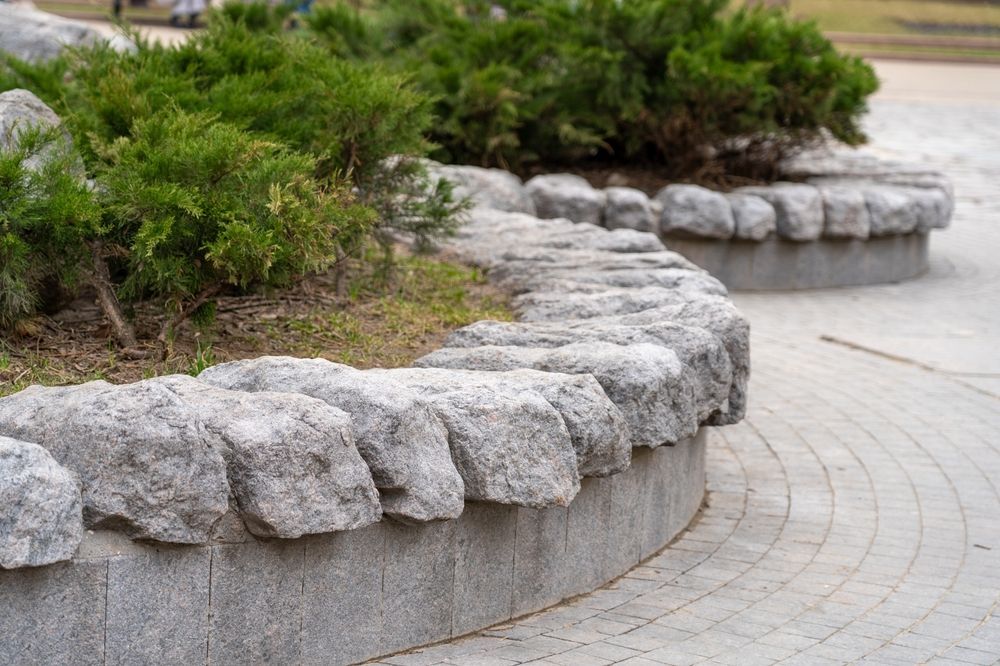
After the work is complete, your patio or walkway remains level without corners lifting or center sections sinking. Water drains off the surface rather than pooling in low spots, and joints between pavers or stones stay tight without gaps widening from base settlement. Furniture placed on the hardscape sits stable without rocking, and foot traffic doesn't create depressions where base material wasn't adequately compacted.
The excavation expertise that defines Labrador Land Alterations' foundation work translates directly into hardscape installations that handle Georgia soil conditions. Base material selection, compaction technique, and drainage integration are determined by site-specific requirements rather than applied uniformly across every project.
Common Questions About This Service
Hardscape projects involve excavation and material choices that affect long-term performance, and homeowners often want to understand what determines durability before committing to installation.
What depth of excavation is required for hardscapes?
Excavation must reach undisturbed soil below the frost line and organic topsoil layer, which varies by location but typically requires removing eight to twelve inches in Marietta depending on existing soil composition.
How do you decide between sand and stone base?
Stone bases drain better in clay soil and support heavier loads, while sand bases work for walkways and lighter patios where drainage is already adequate and load is distributed evenly.
What causes hardscapes to settle unevenly over time?
Insufficient excavation leaves organic material or loose fill beneath the base, or base material isn't compacted in lifts, allowing it to compress unevenly under load and through freeze-thaw cycles.
When should drainage be added to hardscape installations?
Any hardscape in Georgia clay soil benefits from drainage planning, especially patios near foundations or areas where water naturally collects, to prevent hydrostatic pressure from lifting or shifting the installation.
How does freeze-thaw affect hardscapes in this region?
Water trapped in poorly drained bases expands when frozen, lifting sections of the hardscape and cracking joints, which is why deep excavation and proper drainage are essential even in moderate climates.
Labrador Land Alterations brings excavation knowledge and material selection experience to every hardscape project. Contact us to discuss your outdoor living plans and schedule a site review.