

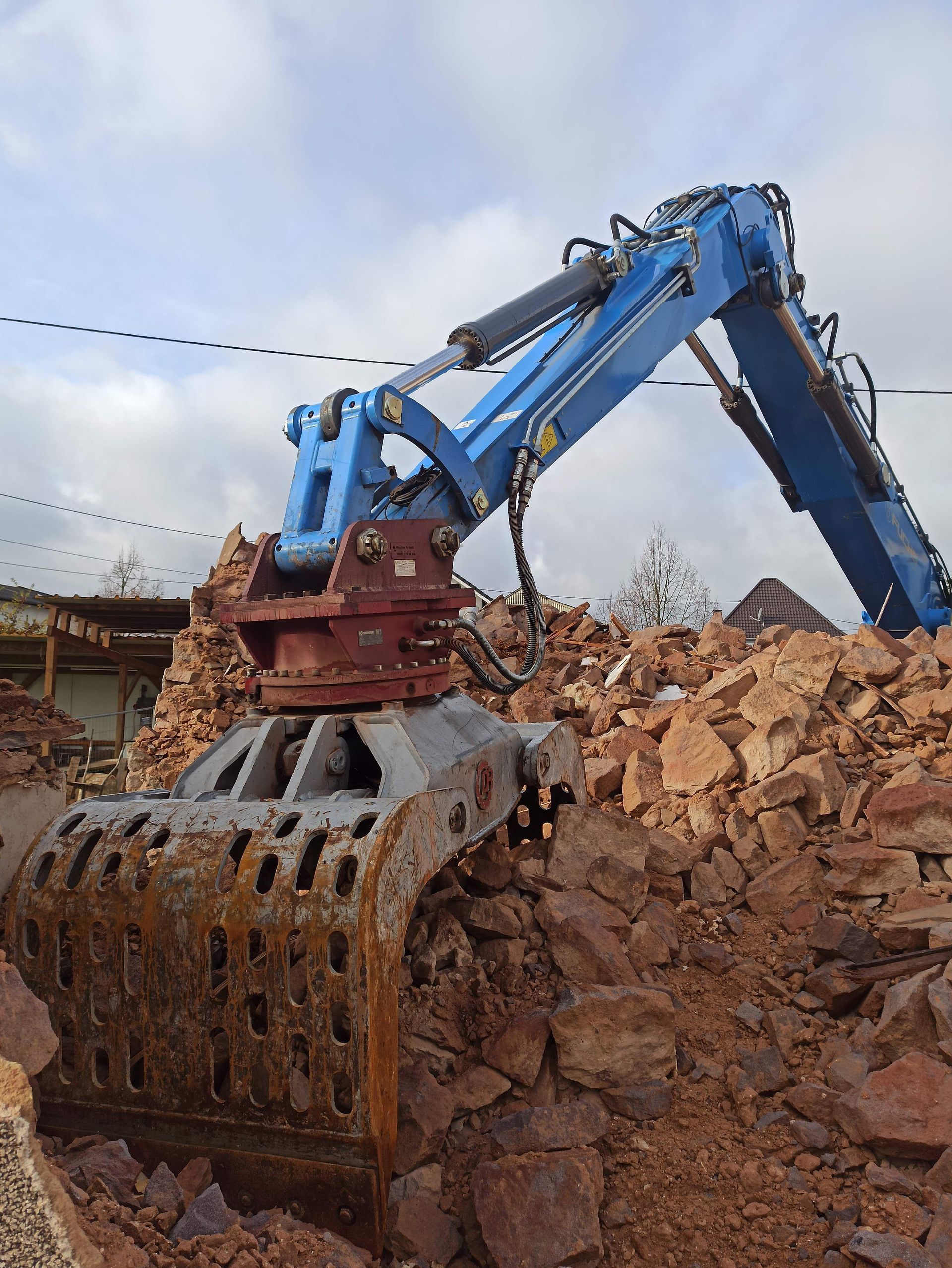
Structural Removal Done Safely and Completely
Demolition in Marietta for residential properties requiring complete tear-down with hazardous material assessment
Older homes in Georgia often contain asbestos in siding, insulation, or floor tiles—materials that require environmental testing before demolition begins to prevent hazardous exposure during structural removal. Labrador Land Alterations handles residential demolition where safety procedures, utility disconnection coordination, and complete debris removal matter as much as the tear-down itself. The process involves assessing structures for hazardous materials, disconnecting all utilities before equipment touches the building, and hauling every piece of debris from the property so you're left with a clear, level lot ready for new construction.
Utility disconnection coordination happens before demolition equipment arrives—gas lines are capped, electrical service is terminated at the meter, water is shut off at the main, and septic or sewer connections are properly sealed. Insurance coverage and proper safety procedures protect workers and neighboring properties during structural removal. Owner-operated attention means safety checks are completed thoroughly rather than rushed to speed up the tear-down process.
Request a property assessment to identify utility disconnect requirements and potential hazardous material concerns.
What Safe Complete Removal Requires
Hazardous material assessment identifies asbestos, lead paint, or other regulated materials that require specialized handling before standard demolition proceeds. This testing prevents exposure that endangers workers and neighbors while ensuring disposal meets environmental regulations. Utility disconnection involves coordinating with service providers to terminate connections safely—gas lines that aren't properly capped create explosion risks, and live electrical service can electrocute workers during structural removal.
Once demolition completes, you'll see a clear lot with all structural materials, foundation remnants, and debris removed. The site won't have partially buried concrete, leftover framing lumber, or piles of roofing material stacked at property edges. Foundation holes are filled and graded level, and the surface is ready for new construction or land development without additional cleanup steps or material removal.
Complete removal includes hauling everything from the property—lumber, concrete, roofing, siding, fixtures, and any hazardous materials requiring special disposal. Basic tear-down services often leave debris piles for the property owner to handle or bury materials on-site where they interfere with future construction. The commitment to job completion means Labrador Land Alterations doesn't leave demolition projects half-finished with cleanup remaining.
Questions Before Starting Your Project
Residential demolition involves safety considerations and regulatory requirements that property owners should understand before structural removal begins.
Why do older Georgia homes require hazardous material testing?
Homes built before the 1980s often contain asbestos in siding, insulation, floor tiles, or roofing materials. Testing identifies these materials before demolition so they're handled according to environmental regulations rather than releasing hazardous fibers during tear-down.
What utility disconnection involves before demolition?
All gas, electric, water, and sewer connections are terminated and properly sealed before equipment touches the structure. This prevents gas leaks, electrical hazards, and water flooding that create dangerous conditions during demolition work.
How is demolition debris disposed of properly?
All structural materials are hauled to appropriate disposal facilities—hazardous materials go to regulated sites, while standard construction debris goes to landfills accepting demolition waste. Nothing is buried on-site or left for the property owner to remove.
What insurance coverage protects during demolition?
Proper coverage includes liability protection for neighboring properties and worker safety coverage during structural removal. This matters when heavy equipment operates near property lines or when unexpected structural failures occur during tear-down.
When should demolition occur relative to new construction plans?
Demolition happens after all permits are obtained and hazardous material testing is complete but before site preparation for new construction begins. In Marietta, scheduling may consider weather since wet conditions complicate debris removal and site cleanup.
Labrador Land Alterations handles demolition with the same attention to safety and detail that military training instills—procedures are followed, risks are managed, and the job is finished completely before moving to the next phase. Call (706) 982-9736 to discuss your demolition project and schedule a property assessment.