
Drainage Problems Start with Improper Slopes
Grading in Marietta for properties where water management and foundation stability require precision earthwork
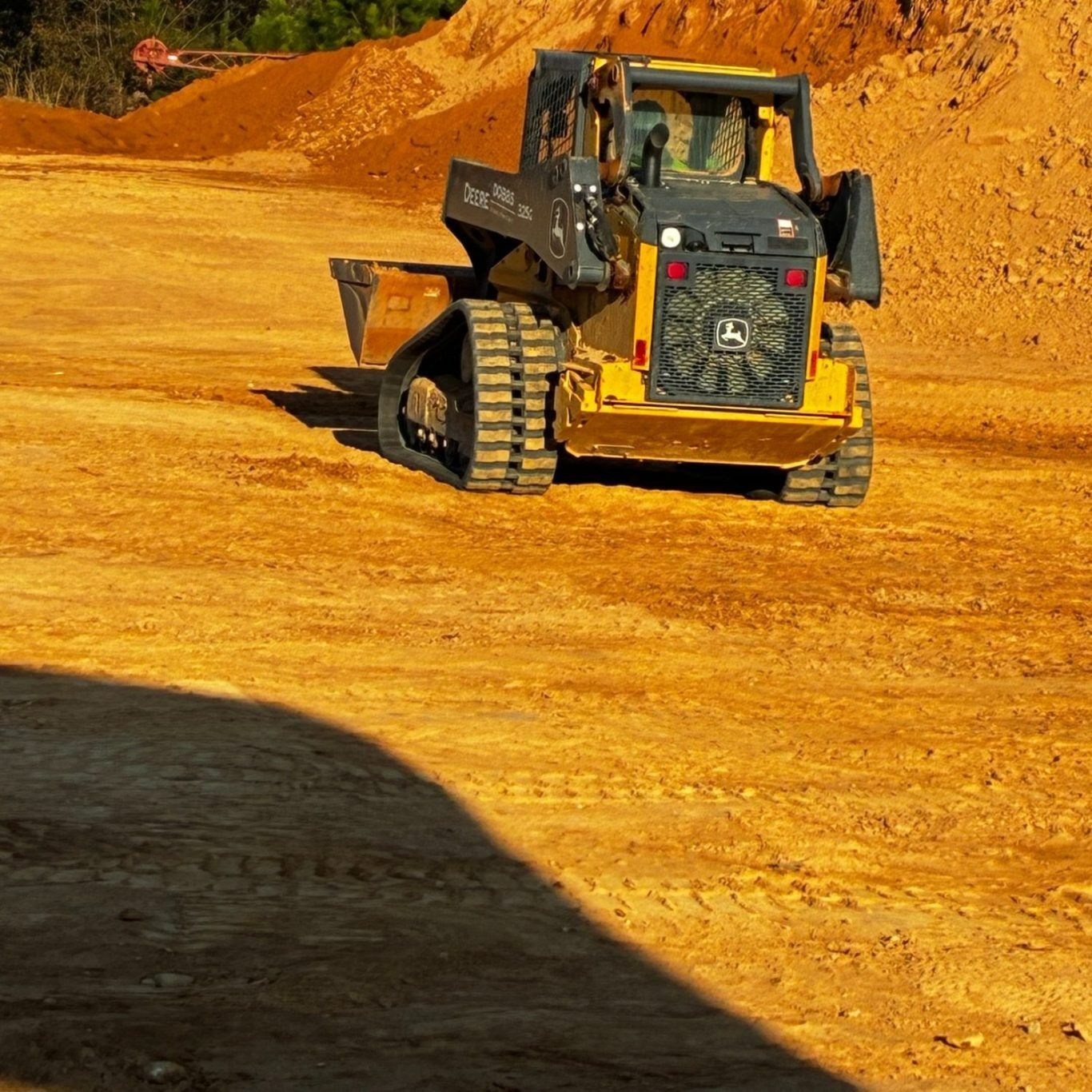
Georgia clay's tendency to hold water and shift during seasonal wet-dry cycles makes precise grading essential for preventing drainage failures and foundation movement. Water that pools near structures because of incorrect slopes saturates clay soil, causing expansion that cracks foundations and creates basement flooding. Labrador Land Alterations provides grading services in Marietta where laser-guided equipment establishes exact slopes that direct water away from buildings while preparing surfaces for driveways, landscaping, or additional construction. You'll see grade changes measured in fractions of an inch across long distances—the accuracy needed for water to flow consistently rather than pond in low spots.
Laser level technology creates elevation references across the entire property, ensuring finished grades match drainage plans rather than relying on visual estimation. Surface preparation varies based on what follows grading—areas receiving concrete need different compaction than landscaped zones, and driveway bases require sub-grade work that lawn areas don't. Trade school certification ensures operators understand how different surfaces perform and what preparation each requires.
Schedule a site evaluation to identify current drainage patterns and grade correction requirements for your property.
Why Laser-Guided Accuracy Matters
Laser-guided equipment maintains elevation accuracy within tenths of an inch, creating consistent slopes that move water predictably across property surfaces. This precision matters because Georgia clay doesn't absorb water quickly—even slight grade variations create pooling that saturates soil and causes foundation movement. Proper slopes for drainage typically fall between one and two percent grade, a subtle change that's impossible to verify visually but critical for water management.
After grading work completes, water flows away from structures during rain events without pooling in low spots or reversing direction where slopes change. Surfaces are smooth and uniform without humps, depressions, or grade breaks that disrupt drainage patterns. Areas prepared for driveways or walkways are compacted and sloped correctly so pavement installation proceeds without additional base work or grade corrections.
Precision grading differs from rough grading that creates approximate slopes without verification. In Marietta's climate, where heavy rains saturate clay soil quickly, incorrect grades cause immediate drainage problems that damage foundations, flood crawl spaces, and erode landscaping. Military training emphasizes doing things correctly the first time—grading work is measured, verified, and completed to specification rather than approximated and hoped to be close enough.
What Property Owners Usually Ask
Grading affects long-term property performance, making specific process questions important for understanding what precision earthwork accomplishes.
What does laser-guided equipment actually do during grading?
Laser levels project reference beams that equipment operators use to verify elevation continuously as they grade. This ensures finished surfaces match exact slope specifications rather than relying on visual judgment that creates inconsistent grades.
How much slope is needed for proper drainage around buildings?
Typical drainage slopes range from one to two percent—approximately one to two inches of drop per ten feet of distance. This grade is subtle enough to be nearly invisible but steep enough to move water consistently away from foundations in Georgia's heavy rain events.
Why does clay soil make grading more critical than other soil types?
Red clay retains water rather than absorbing it quickly, meaning even small grade errors cause pooling that saturates soil near foundations. Clay also expands when wet and contracts when dry, creating movement that cracks structures if drainage isn't managed through proper grading.
What surface preparation happens during grading?
Preparation depends on what follows—concrete areas need specific compaction and base material, while landscaped zones require topsoil depth and texture. Equipment certification ensures operators understand what each surface type requires for long-term performance.
When should regrading occur on existing properties?
Regrading becomes necessary when water pools near foundations, drainage patterns direct flow toward structures, or settling creates depressions that collect water. In Marietta, clay soil movement often causes grade changes that require correction to restore proper drainage.
Labrador Land Alterations applies military precision to every grading project, ensuring slopes are measured accurately and surface preparation meets the demands of Georgia clay soil and seasonal weather patterns. Contact us to discuss drainage concerns and schedule a property grading assessment.